Quick Answer
Transitional style blends classic shapes with cleaner modern pieces, using balanced proportions, warm neutrals, mixed materials, and restrained pattern.
How To Use This Guide
Start with the room formula, then source-check products before shopping. Riverwood separates design advice from product claims; see our editorial standards and affiliate disclosure.
Budget Moves
- Keep large furniture simple and add classic detail through smaller pieces.
- Mix thrifted art or vintage-look decor with accessible furniture.
- Check claims before using terms like antique or handmade.
- Avoid buying a full matching set if the goal is collected style.
- Translate the style into materials and proportions before buying decorative accents.
- Use trend-specific pieces in low-cost layers that can change later.
Pair classic with clean
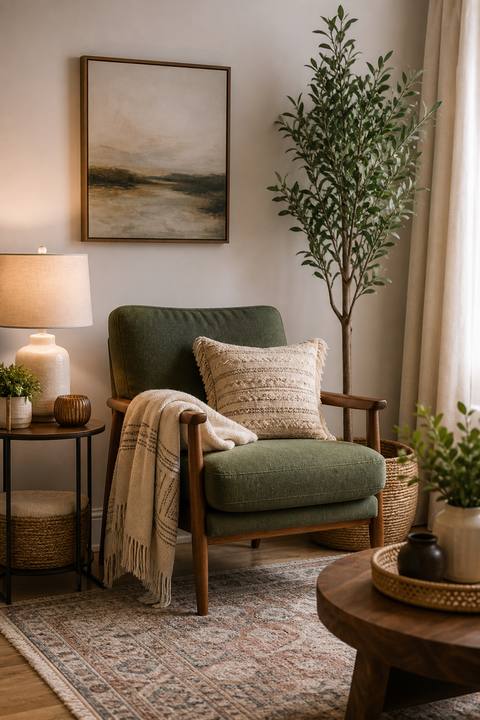
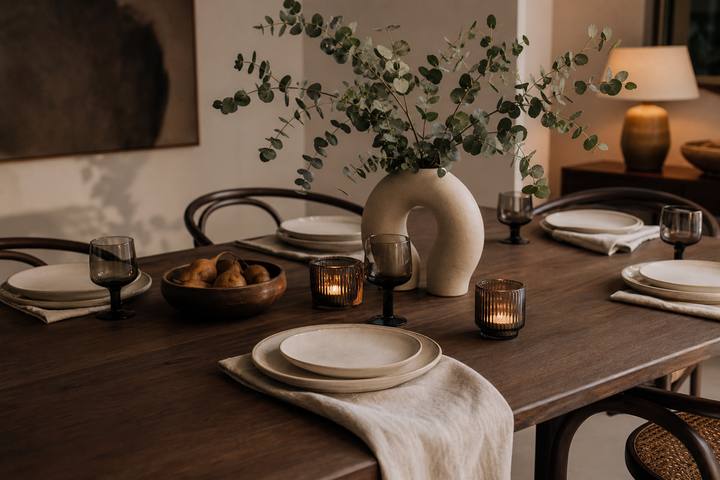
A classic dining table can work with cleaner chairs. A modern sofa can work with a traditional rug. The contrast is what keeps the room from feeling flat.
Use pattern in controlled doses
Stripes, plaids, florals, and vintage-inspired patterns can all work when the color palette is calm and the scale is balanced.
Repeat warm materials
Wood, linen, aged brass, ceramic, and woven textures help transitional rooms feel collected rather than split between old and new.
How to make the style feel personal
Use transitional home decor style guide as a filter, not a costume. Choose the materials, contrast level, and silhouettes that fit the home you already have, then bring in one or two stronger style cues instead of copying an entire inspiration room.
- Keep the architecture and existing finishes in mind
- Use the style through materials before buying themed accessories
- Let one room-defining piece carry the look
How to keep the style from dating quickly
The most durable rooms rely on proportion, texture, and restraint more than trend-specific objects. If a style cue is very recognizable, use it in smaller accents that can be changed later.
- Use trend-heavy details in pillows, art, or small decor
- Keep large furniture in simpler shapes
- Repeat timeless materials like wood, linen, ceramic, metal, and woven texture
Common mistakes to avoid
The common mistake with transitional home decor style is buying from a single pretty image instead of checking how the idea works with the room's actual scale, light, traffic, and existing finishes.
- Buying several small fillers instead of one better-scaled piece
- Ignoring height relationships between furniture, lighting, art, and windows
- Using too many finishes when one repeated material would calm the room
- Publishing product claims before checking the source page
Source-check rules before it becomes shoppable
Riverwood can turn this into a product roundup only after each product is checked against the source page. That protects readers from stale prices, vague material claims, mismatched dimensions, and unsupported review language.
- Record the product URL and date checked
- Confirm dimensions, materials, color name, care notes, and return rules
- Do not claim comfort, durability, or performance without testing or reliable source support
- Use retailer images only when image rights and affiliate rules allow it
Frequently Asked Questions
What is transitional decor?
Transitional decor mixes traditional and modern elements so a room feels classic but not overly formal.
Is transitional style good for resale?
It is generally approachable because it avoids extremes, but design choices should still fit the actual home.
What should I check before shopping for transitional home decor style?
Check measurements, existing finishes, room traffic, return rules, material language, and whether the piece solves a real room problem instead of only looking good in a product photo.
How does Riverwood keep these ideas source-safe?
Riverwood keeps design guidance separate from product claims. Prices, stock, materials, dimensions, reviews, and performance claims are added only after source checks and affiliate-policy approval.